Rivers and Lakes Beyond Daylight
In karst terrains, surface riverbeds run bone dry while immense volumes of water migrate unseen through deep conduits, emerging abruptly kilometres away at dramatic vauclusian springs.
 Flooded Karst
The World's Longest Flooded Passages
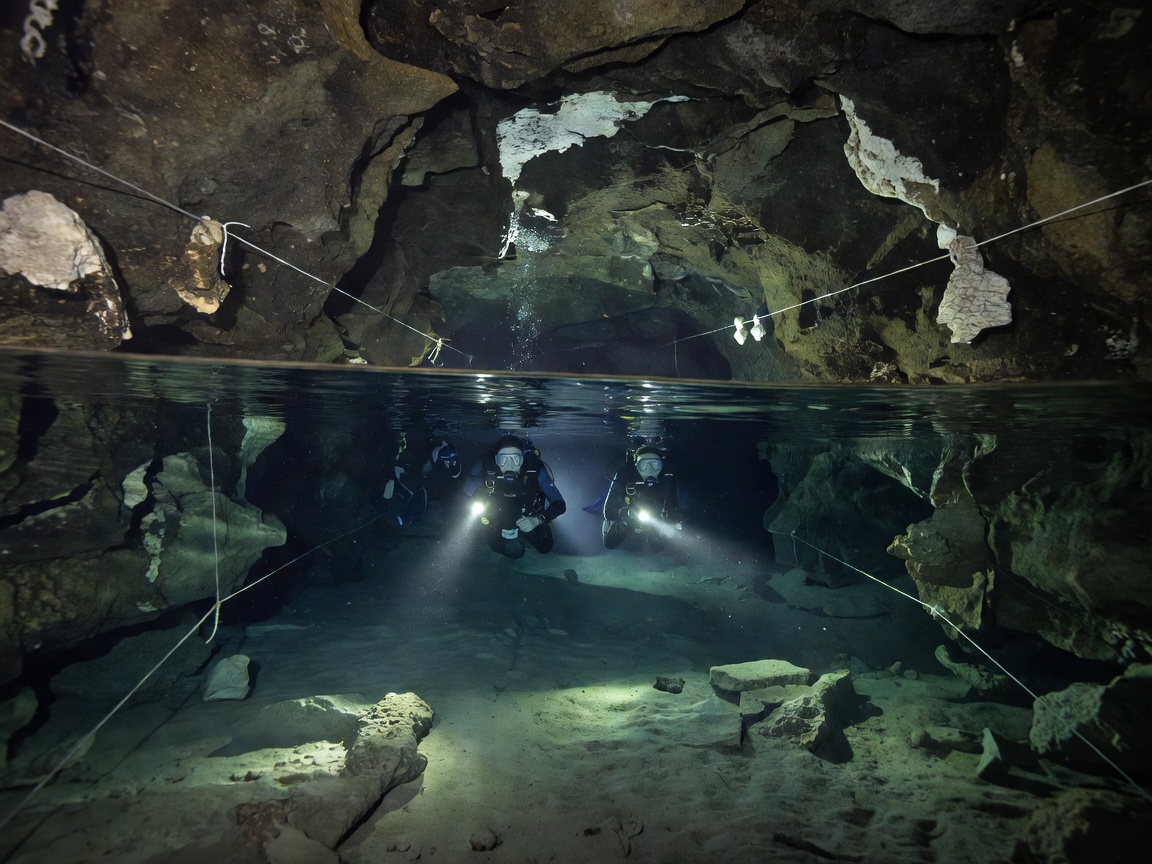
Beneath the jungle of Mexico's Yucatán Peninsula lie the flooded systems of Sistema Sac Actun and Ox Bel Ha, totaling over 370 kilometers of interconnected underwater corridors.
During the last ice age, sea levels were more than 100 metres lower, and these passages were dry caves where stalactites formed over centuries. When the glaciers melted, rising seas inundated the chambers, preserving dry speleothems and Pleistocene fossils in crystal-clear water.
A striking feature here is the halocline: a sharp optical boundary where buoyant fresh rainwater sits atop dense ocean saltwater, bending torch beams like liquid glass.
The Four Zones of Subterranean Water
 Hydrology
Sump (Siphon) Passages
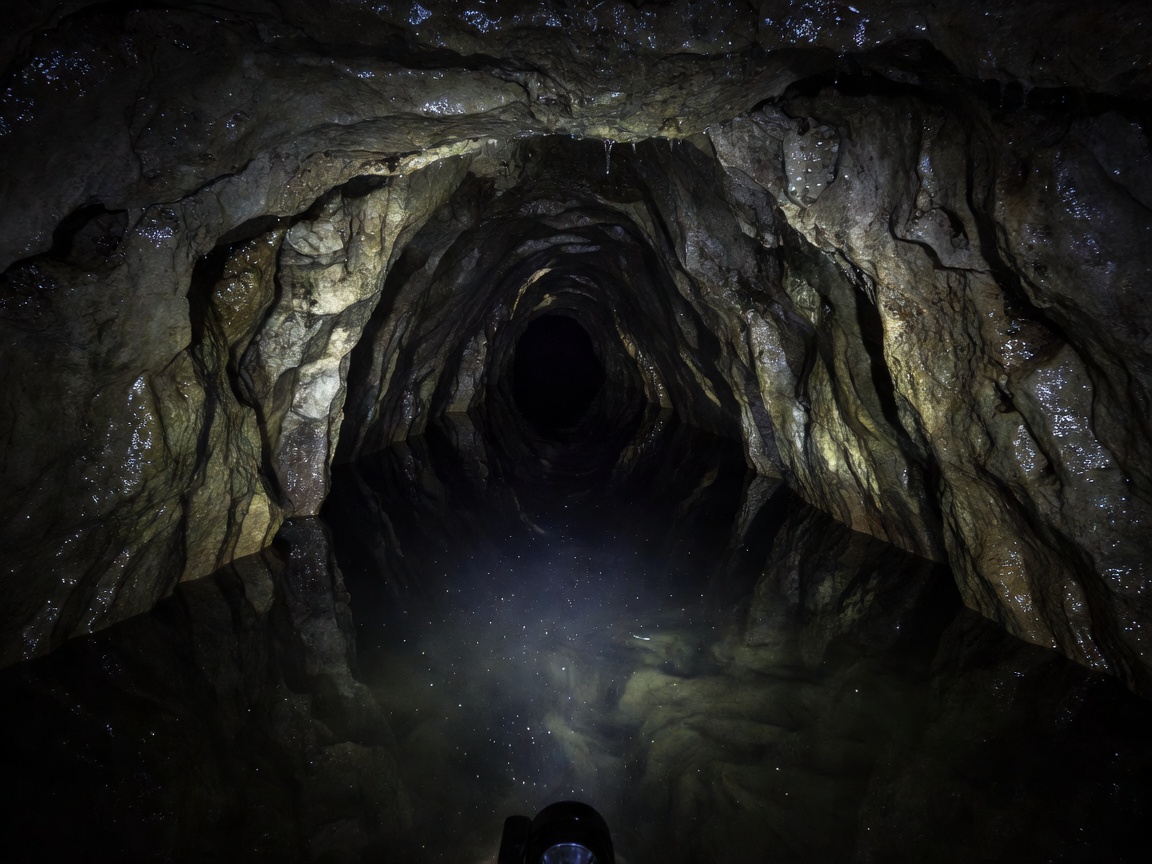
A sump occurs where a cave passage dips completely below the water level, touching the ceiling. Sumps isolate dry galleries from air circulation and present the most extreme challenges in cave diving, requiring redundant breathing systems and continuous safety lines.
 Discharge
Vauclusian Springs & Resurgences
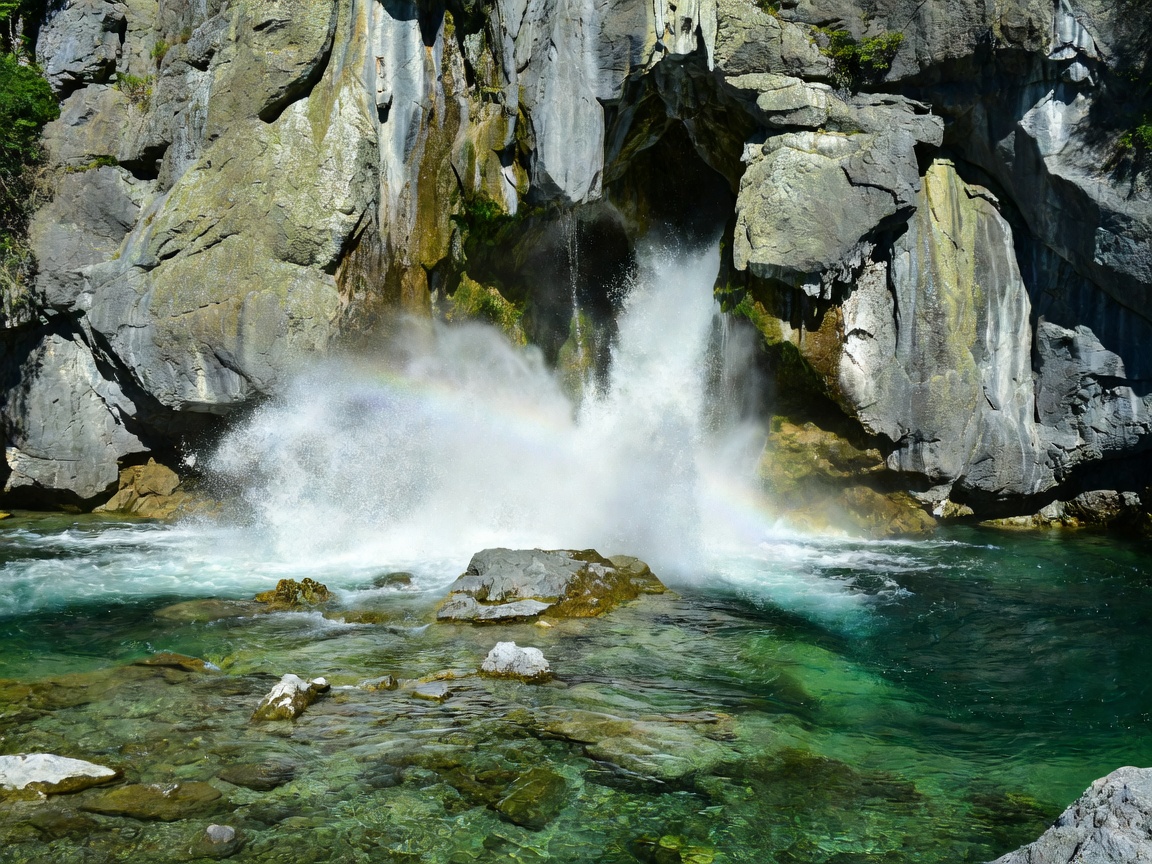
Where subterranean rivers return to daylight at the foot of mountain massifs, they form resurgences. Named after Fontaine de Vaucluse in France, these springs can discharge tens of cubic metres of water per second under tremendous hydraulic head.
Hypogean Life: Surviving in Total Darkness
Underground water systems are not lifeless conduits. They harbor stygobites—specialized aquatic organisms that spend their entire life cycles in darkness. Having evolved over millions of years without sunlight, many have discarded pigmentation and ocular structures entirely:
- The Olm (Proteus anguinus): An amphibious aquatic salamander of the Dinaric Karst that can survive up to ten years without food, navigating using chemo-reception and electro-reception.
- Blind Cave Crayfish & Isopods: Translucent crustaceans with elongated sensory antennae that detect minute pressure pulses in still cave pools.
- Chemoautotrophic Biofilms: In deep caves lacking organic debris, sulfur-oxidizing bacteria form thick "snottites", feeding base-level biological networks independently of photosynthesis.
Aquifer Fragility Warning
Unlike sand or gravel aquifers that naturally filter surface runoff, karst limestone possesses rapid conduit permeability. Runoff dumped into a sinkhole can transit 10 kilometers through an underground river in under 24 hours without filtration, emerging directly into communal drinking springs. The protection of underground water begins at the surface watershed.